
Welcome to Charis Farm – a home of sustainable agriculture and livestock rearing. We are committed to producing healthy, organic, and environmentally friendly products through modern and responsible farming practices. Our work spans crop production, animal husbandry, aquaculture, and agribusiness, all guided by the principles of sustainability, innovation, and community empowerment. At Charis, we believe farming is more than food production—it is a way to care for people, animals, and the planet. With passion and dedication, we aim to provide quality products while supporting farmers and local communities. Join us in building a greener, healthier, and more sustainable future. Our key pillars include:

Sustainability
Our services are built on the principle of sustainability, ensuring that farming and animal rearing practices protect the environment while supporting future generations. From organic methods to responsible livestock management, we promote long-term solutions that balance productivity with nature.

Innovation
We embrace modern techniques and smart farming solutions that improve efficiency and quality. Through improved breeding, better farm management, and eco-friendly technologies, we help farmers achieve more with fewer resources..

Community Empowerment
Agribusiness thrives when farmers and communities grow together. By creating jobs, enhancing skills, and opening up new markets, we empower people to build better livelihoods while strengthening food security.
Services

Ornamental birds
Ornamental Bird Farming involves keeping colorful and exotic birds mainly for beauty, trade, and companionship. These birds are valued for their attractive feathers, songs, and unique appearances. Farmers or breeders raise them in clean, safe, and spacious environments to ensure their health and well-being. The trade of ornamental birds provides income through local and international markets. They also play a role in conservation by reducing pressure on wild bird populations. Ornamental bird farming is both a profitable and enjoyable venture for bird lovers.
Dairy Goats
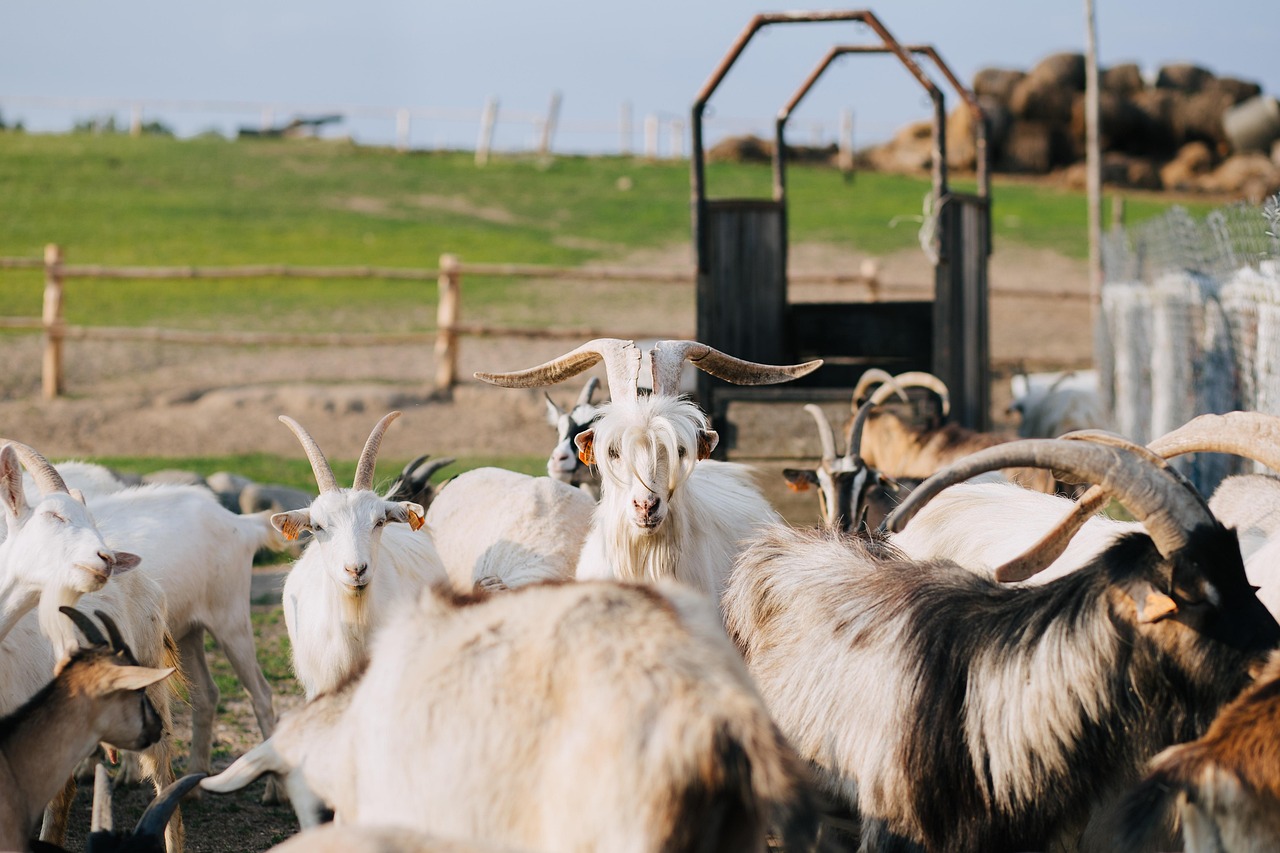
Dairy Goat Farming focuses on raising goats for milk production. Goat milk is highly nutritious, easy to digest, and can be used to make cheese, yogurt, and other products. Goats require less space and feed compared to cows, making them ideal for small-scale farmers. They adapt well to different climates and provide a steady source of income. Their manure also improves soil fertility for crop farming. Overall, dairy goat farming is a sustainable way to support both nutrition and livelihoods.

Rabbits
Rabbit Farming is the practice of raising rabbits mainly for meat, fur, and manure. Rabbits grow quickly, require little space, and are easy to manage compared to larger animals. They provide lean, nutritious meat that is high in protein and low in fat. Farmers also benefit from their manure, which is an excellent natural fertilizer for crops. With proper care, rabbits reproduce fast and offer a steady income source. This makes rabbit farming a sustainable and profitable venture for small and large farmers.
Pigs
Pig Farming involves raising pigs for meat and other by-products in a controlled and healthy environment. Farmers provide balanced feed, clean water, and proper housing to ensure the animals grow well. Good pig farming practices help produce safe and nutritious pork for consumers. It also supports livelihoods by creating income and job opportunities. When managed sustainably, it reduces waste and protects the environment. Pig farming remains an important part of food production worldwide.


Aqua Culture
Aqua Farming is the practice of raising fish, shellfish, or other aquatic animals in controlled environments. Farmers use ponds, tanks, or cages to grow healthy and safe seafood. It reduces pressure on wild fish populations and ensures a steady food supply. Aqua farming also supports local communities by creating jobs and income. When managed well, it protects ecosystems and conserves water resources. This makes it a sustainable way to meet the growing demand for seafood.
Organic Farming
Organic Farming Training helps farmers learn natural methods of crop and livestock production without relying on synthetic chemicals. It focuses on soil health, composting, crop rotation, and biological pest control to improve yields sustainably. Trainees also gain knowledge on certification and market opportunities for organic products. This training empowers farmers to produce healthier food, protect the environment, and earn better incomes from organic markets.


Agri Business Training
Agribusiness Training equips farmers and entrepreneurs with the skills to turn farming into a profitable venture. It covers areas such as modern production methods, value addition, marketing, and financial management. Through training, participants learn how to improve productivity, reduce costs, and access better markets. This empowers individuals to run farming as a business while contributing to food security and economic growth.
